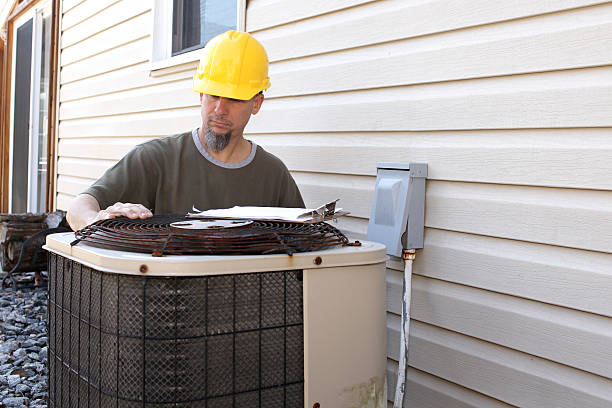
Air conditioning systems are integral to maintaining comfort, especially during warmer months. However, like any other mechanical system, they can encounter problems over time. Recognizing these issues early and seeking help from a qualified HVAC contractor can save you from costly repairs or replacements. Below are ten common air conditioning problems and how professional assistance can resolve them effectively.
Refrigerant leaks reduce the cooling efficiency of the system and can harm the environment.
– Signs: Insufficient cooling, hissing sounds, or ice formation on coils.
– Solution: Clogged air filters restrict airflow, reducing efficiency and potentially damaging components.
– Signs: Poor airflow or unusual dust accumulation in your home.
Solution: Professionals will replace or clean filters regularly as part of maintenance services.
Signs: Incorrect temperature readings or unresponsive controls.
Solution: Contractors will recalibrate or replace faulty thermostats with advanced programmable options if needed.
Ice buildup on evaporator coils limits heat absorption, affecting cooling performance.
Signs: Warm air blowing from vents or visible ice on coils.
Solution: Blocked drain lines can lead to water leaks around the unit and even mold growth.
Signs: Water pooling near your AC unit or musty odors in your home.
Solution: Faulty wiring, worn-out capacitors, or tripped breakers disrupt normal operation.
Signs: Frequent cycling on/off or complete AC failure.
Solution: Licensed contractors inspect electrical connections and repair any faults safely.
The compressor is essential for circulating refrigerant; its failure can render your system unusable.
Signs: Strange noises from the outdoor unit or loss of cooling power.
Solution: An HVAC contractor may repair minor issues but recommend replacement if damage is extensive.
Outdoor condenser coils accumulate dirt over time, diminishing efficiency.
Signs: Higher utility bills despite regular use of your AC system.
Solution: Cleaning condenser coils ensures efficient heat exchange during operation.
Malfunctioning sensors cause irregular cycling of your air conditioner.
Signs: The system turns on/off erratically without maintaining desired temperatures.
Solution: Contractors adjust sensor placement for accurate readings.
Neglecting routine maintenance leads to wear-and-tear issues that escalate into expensive repairs over time.
| Problem | Signs | Professional Solution |
| Refrigerant Leaks | Hissing sounds, insufficient cooling | Repair leak & recharge refrigerant |
| Dirty Filters | Dust buildup at home | Replace/clean filters |
| Frozen Coils | Warm air from vents | Address airflow/refrigerant issues |
| Compressor Issue | Loud noises | Repair/replace compressor |
By addressing these common AC problems with help from a trusted HVAC contractor, you can optimize performance while minimizing downtime and energy expenses over time.
When to Call an Expert for Orlando AC Repair if Your System Isn’t Cooling Properly
An air conditioner that isn’t cooling properly can lead to discomfort, reduced energy efficiency, and higher electricity bills. Identifying the signs of a malfunctioning AC unit early on can save you from costly repairs or replacements. This guide will help you recognize these warning signs and determine when it’s time to bring in a professional HVAC contractor to evaluate or replace your system.
Common Signs Your AC Is Struggling to Cool
- Weak Airflow: If you notice minimal airflow coming from vents even when the system is running, this could suggest blockages in ductwork or a failing compressor.
- Warm Air Instead of Cool Air: A functioning AC should blow cold air. If it’s blowing warm or room-temperature air, there might be issues with the refrigerant levels or compressor components.
- Inconsistent Cooling: Uneven cooling across different rooms can indicate problems with zoning systems or ductwork leaks.
- Frequent Cycles: Short cycling (frequent turning on and off) can indicate an oversized or malfunctioning unit that strains to meet temperature demands efficiently.
- High Humidity Levels Indoors: Your air conditioner is designed not only to cool but also dehumidify indoor air. Increased humidity could mean the system is underperforming.
- Unusual Smells or Odors: Musty odors may indicate mold growth within your system, while burnt smells could signal electrical problems requiring immediate attention.
When It’s Time to Replace Your AC System
Sometimes fixing an existing problem isn’t enough, and a replacement becomes the best course of action.
- Age of the Unit: Most AC units have a lifespan of 10–15 years. If your unit is nearing this range and continuously requires repairs, upgrading to a new energy-efficient model may save money over time.
- Rising Energy Bills: Older systems often consume more energy than newer ones designed with advanced efficiency standards like ENERGY STAR ratings.
- Frequent Repairs: Spending on frequent fixes can add up quickly. Evaluate if repair costs are approaching more than 50% of what you’d spend on a replacement system.
- Obsolete Technology: If your unit still uses R-22 refrigerant (phased out due to environmental concerns), replacing it with one using eco-friendly refrigerants like R-410A ensures compliance and better performance.
- Inadequate Size/Capacity: An improperly sized unit causes inefficiency and uneven cooling across spaces — something often best addressed by replacing the entire system rather than retrofitting parts.
Importance of Hiring an Expert HVAC Contractor
- They conduct thorough inspections and recommend cost-effective solutions tailored specifically for your property.
- Certified contractors ensure proper installation techniques that maximize performance while minimizing future breakdowns.
- Professionals are familiar with current industry regulations regarding refrigerants, energy standards, warranties, etc. , ensuring compliance during service.
| Service Benefits | Why Choose Professionals? |
| Accurate Diagnosis | Comprehensive assessment saves time/money. |
| Energy-Efficient Options | Helps select modern systems reducing costs. |
| Warranty Protection | Preserves manufacturer warranties post-installation. |
Final Thoughts
Recognizing early warning signs that your AC isn’t cooling properly allows timely intervention by professional HVAC contractors who bring both technical skills and problem-solving abilities into every project they handle effectively.
Effective Solutions by Orlando AC Service Experts for Ice Formation on Evaporator Coils
Ice formation on AC evaporator coils is a common issue that can lead to decreased cooling efficiency, system breakdowns, and increased energy consumption. Understanding how professional HVAC contractors address this problem can help homeowners identify when to seek expert assistance and ensure their air conditioning system operates effectively.
How to Handle Ice Formation on Evaporator Coils with Orlando FL Air Conditioning Repair
Before diving into the solutions, it’s important to understand the causes of ice buildup on evaporator coils.
- Restricted Airflow: Insufficient airflow across the coils due to clogged filters or obstructed vents.
- Low Refrigerant Levels: A refrigerant leak or insufficient refrigerant can cause coil temperatures to drop excessively.
- Dirty Coils: Accumulated dirt or debris on the coils reduces heat transfer efficiency, leading to freezing.
- Faulty Blower Fan: A malfunctioning blower fan may not circulate air properly over the coils.
- Thermostat Issues: Incorrect thermostat settings can result in prolonged cooling cycles that overwork the system.
Steps Professional HVAC Contractors Take

Inspection and Diagnosis
- Inspect filters, vents, and ductwork for blockages or debris causing restricted airflow.
- Check thermostat settings and recalibrate if necessary.
- Measure refrigerant levels using specialized gauges.
- Detect potential leaks in refrigerant lines.
- Examine evaporator coils for dirt accumulation.
- Assess the condition of fins for damage or bending.
Resolving Airflow Problems
- Replace dirty or clogged air filters with high-quality options designed for optimal airflow.
- Clear obstructions from supply vents and return grills.
- Repair or clean components such as blower fans or ducts affecting air circulation.
Cleaning the Evaporator Coils
HVAC contractors clean dirty coils using professional-grade coil cleaners that are both effective and safe for your system. This ensures improved heat exchange without damaging sensitive components.
Refrigerant Leak Detection and Repair
If low refrigerant levels are identified, contractors will pinpoint leaks using advanced tools such as UV dye detection kits or electronic sniffers. Once identified, they repair leaks before recharging the system with an appropriate amount of refrigerant.
| Problem Identified | Solution Provided by Contractors |
| Clogged Air Filter | Replace filter |
| Dirty Evaporator Coils | Clean with professional tools |
| Low Refrigerant Levels | Detect & repair leaks; recharge |
| Faulty Thermostat | Recalibrate settings/replace |
Preventative Measures Recommended by Professionals
- Schedule routine inspections at least twice a year.
- Replace air filters every 1–3 months depending on usage and environment.
- Keep outdoor units free from debris such as leaves or grass clippings.
- Maintain proper thermostat settings based on seasonal needs.
By addressing ice formation promptly through expert intervention, homeowners can avoid costly repairs while ensuring energy efficiency throughout their cooling systems’ lifespan.
How Professional HVAC Contractors Address Ice Formation Issues on AC Evaporator Coils Effectively
Ice formation on air conditioner evaporator coils is a common but serious issue that can significantly impact the performance and efficiency of your cooling system. When the coils freeze, it often points to underlying problems that require professional attention.
Common Causes of Ice Formation on Evaporator Coils
Before diving into solutions, it’s important to understand the root causes of ice buildup:
– Restricted Airflow: Insufficient airflow over the evaporator coils due to clogged air filters, blocked vents, or malfunctioning fans can lead to freezing.
– Low Refrigerant Levels: A refrigerant leak or an undercharged system causes a drop in pressure, leading to excessive cooling and eventual icing of the coils.
– Dirty Coils: Over time, dirt and debris accumulate on evaporator coils, reducing their ability to absorb heat efficiently, which can result in freezing.
– Mechanical Failures: Faulty components such as a damaged blower motor or thermostat may also contribute to ice formation.
Steps Taken by Professional HVAC Contractors
- Contractors start with a complete inspection of your air conditioning unit. They check for visible signs of ice accumulation and assess airflow and refrigerant levels.
- They use specialized tools like gauges and sensors to measure refrigerant pressure and temperature differences across the system.
- If airflow is restricted, contractors inspect filters, ducts, and vents for blockages such as dust or debris.
- They may clean or replace clogged filters and ensure all vents are unobstructed.
- Technicians use electronic detectors or dye tests to locate leaks in the refrigerant lines.
- Once identified, they repair the leaks before recharging the system with the correct amount of refrigerant.
- Using professional-grade coil cleaners, contractors remove dirt and grime from evaporator coils without damaging them.
- This step ensures proper heat exchange efficiency is restored.
- After addressing all issues, professionals test your AC system thoroughly to ensure no further icing occurs.
- They monitor performance metrics like cooling efficiency and cycling patterns.
Preventative Measures Recommended by HVAC Contractors
To prevent future ice formation issues:
– Replace air filters every 1–3 months depending on usage levels.
– Schedule routine maintenance twice a year for cleaning components like coils and checking refrigerant levels.
– Keep vents clear from furniture or other obstructions that might restrict airflow.
| Problem | Solution Offered by Contractor | Prevention Tips |
| Restricted Airflow | Clean/replace filters; unblock ductwork | Check filters monthly; maintain vents |
| Low Refrigerant | Repair leaks; recharge refrigerant | Schedule regular inspections |
| Dirty Coils | Professionally clean evaporator coil | Annual maintenance service |
| Mechanical Issues | Repair/replace faulty components | Routine equipment checks |
By addressing these challenges systematically, HVAC contractors ensure your cooling system operates efficiently while preventing costly breakdowns in the long run. Regular maintenance not only enhances performance but also extends the lifespan of your equipment significantly.
The Role of an HVAC Contractor in Resolving High Electricity Bills Caused by Inefficient Cooling Systems
High electricity bills are often a direct result of an inefficient cooling system. As homeowners and businesses strive to reduce energy costs, the expertise of a professional HVAC contractor becomes invaluable. By identifying inefficiencies and implementing practical solutions, contractors can help restore energy efficiency while ensuring optimal system performance. Here’s how they address this issue effectively.
Common Causes of High Electricity Bills in Cooling Systems
There are several factors that contribute to inefficiencies in air conditioning systems, leading to excessive energy consumption:
– Dirty Air Filters: Clogged filters restrict airflow, forcing the system to work harder and use more energy.
– Refrigerant Leaks: Low refrigerant levels make the unit less effective at cooling and increase energy demands.
– Aging Components: Older systems or worn-out parts often operate inefficiently, consuming more power than necessary.
– Poor Maintenance: Neglected AC systems are prone to dust buildup, loose connections, and mechanical wear, all of which affect efficiency.
– Incorrect Sizing: A unit that is too small or too large for a space can lead to frequent cycling or overworking, increasing power usage.
How Professional HVAC Contractors Address the Issue
- Contractors start by analyzing the entire cooling system, including filters, coils, refrigerant levels, ductwork, and thermostats. This helps pinpoint inefficiencies that escalate energy consumption.
- Cleaning or replacing air filters.
- Cleaning condenser and evaporator coils.
- Checking thermostat accuracy.
- Tightening electrical connections.
- Ducts with leaks or poor insulation waste significant amounts of cooled air. Contractors seal leaks and add insulation if necessary to enhance cooling efficiency.
- Upgrading to energy-efficient models (e. g. , Energy Star-certified units) can drastically reduce operating costs.
- Installing variable-speed compressors ensures better control over cooling output based on demand.
- Contractors calculate optimal cooling capacity based on load requirements for the space.
- Replacing an improperly sized unit prevents wasted energy from overcooling or insufficient performance.
- Installing programmable or smart thermostats enables precise temperature control while reducing unnecessary usage during unoccupied hours.
The Impact of Professional Intervention
| Problem Identified | Potential Solution Provided by Contractor | Expected Outcome |
| Dirty Filters | Regular filter replacement | Improved airflow; lower energy use |
| Refrigerant Leaks | Leak detection & recharge | Enhanced cooling efficiency |
| Aging System | Replacement with modern AC unit | Reduced electricity consumption |
| Leaky Ducts | Sealing & insulating ducts | Energy savings; consistent cooling |
By addressing these issues proactively, property owners can experience reduced utility bills alongside improved comfort levels throughout their spaces.
Why Hiring a Professional Matters
Attempting DIY repairs on an air conditioning system may lead to temporary fixes but rarely resolves underlying causes contributing to high power bills. Licensed HVAC contractors bring technical expertise in handling complex systems while adhering to safety standards—ensuring both efficient operation and peace of mind for homeowners and businesses alike.
Maximizing your air conditioner’s efficiency not only lowers your monthly electricity expenses but also extends the lifespan of your equipment when handled by skilled professionals dedicated to delivering cost-effective solutions tailored specifically for your needs.
- What to Expect from an Orlando AC Service During and After an Air Conditioner Replacement
- Identifying the Ten Most Common Air Conditioning Problems and How an HVAC Company Orlando, FL Can Help
- Top Signs You Need Orlando AC Repair to Avoid Costly Breakdowns
- Finding the Best HVAC Company Orlando, FL for Home Comfort Systems
- How an HVAC Company Orlando, FL Can Help Fix a Hissing Air Conditioning Unit
- Understanding the Benefits of HVAC Replacement and Orlando AC Repair for Your Home
- How an HVAC Company Orlando, FL Can Keep Your Home Comfortable
- The Benefits of Hiring a Professional HVAC Company Orlando, FL for Accurate Diagnostics and Long-Term Solutions